Tele Z is a television program magazine distributed weekly by mail to subscribers. When an issue does not arrive in the mailbox, the usual reflex is to contact the publisher. However, the problem often lies upstream, in the logistics chain that connects the printing house to the subscriber’s home.
Postal Circuit and Breakpoints in the Distribution of Tele Z
Between the moment the magazine leaves the printing house and when the postman slips it into a mailbox, several links are involved. The publisher entrusts the copies to a routing service provider, who sorts and prepares the shipments by geographical area. These batches are then taken over by the postal operator for final distribution.
Each transition from one link to another represents a potential breakpoint. A routing delay, a batch misdirected to the wrong sorting center, or a labeling error is enough to delay or even lose a copy. Since the magazine is sent as regular mail (without tracking or tracking number), there is no way to trace its journey once the shipment is made.
To better understand the reasons for not receiving Tele Z, one must also look at the postal operator itself. La Poste specifies that weather conditions and other operational disruptions can affect distribution. Storms, local flooding, occasional strikes, or route reorganizations create delays that primarily affect non-priority mail, which includes most magazines.

Mailbox and Address: Often Ignored Local Causes
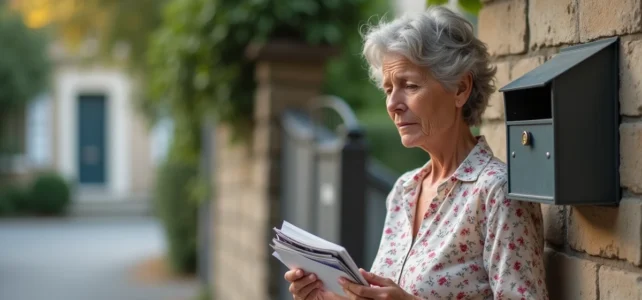
Before blaming the publisher or the carrier, a local check is necessary. Official postal recommendations emphasize one specific point: check the condition of the mailbox and the legibility of the name. A faded name, a peeled label, or an absent street number can lead the postman not to deliver the mail.
Several concrete situations can cause non-delivery without the subscriber realizing it:
- The mailbox is full or blocked by a stuck package, preventing the postman from slipping in a large-format magazine like Tele Z.
- The name on the mailbox does not match the name on the shipping label, especially after a move or a change of name.
- Access to the mailbox is restricted (changed building code, broken intercom, closed gate without postman access).
- A neighbor or former occupant mistakenly receives the mail in a collective building.
These local causes represent a significant portion of complaints for undelivered mail. They can be resolved without contacting the publisher, simply by bringing the mailbox back into compliance.
Effective Complaint: The Order of Recourse to Follow
When the problem persists despite a compliant mailbox, the complaint process follows a specific order that most subscribers do not respect. The reflex to directly call Tele Z’s customer service is understandable, but not always the most effective.
First Recourse: The Postal Operator’s Customer Service
If the magazine is shipped but does not arrive, the issue falls under distribution and not the publisher. The first point of contact should be La Poste (or the relevant postal operator), via its online complaint service or at the post office. The subscriber can report a recurring non-delivery to their address, which triggers a verification of the postman’s route.
Second Recourse: The Postal Mediator
If there is no response or an unsatisfactory response from postal customer service after a two-month period, the subscriber can contact the mediator of the La Poste Group. This step is free and allows for an independent opinion on the dispute. ARCEP reminds of this procedure in its practical sheets on resolving postal disputes.
In Parallel: Contact the Publisher
The subscription service of Tele Z remains a useful recourse to verify that the registered address is correct, that the subscription is active, and that the issue has been shipped. The publisher can also resend a missing copy or extend the subscription as compensation.
Paper Subscription or Digital Access: A Choice That Resolves Certain Issues
The underlying trend in magazine publishing pushes towards dematerialization. For a subscriber facing recurring reception issues, switching to a digital subscription eliminates postal risk. The magazine becomes accessible as soon as it is published, without depending on a postman or a sorting center.
This option does not suit all readers. Tele Z targets an audience that often prefers the paper format to annotate their programs, place the magazine near the television, or simply read without a screen. The choice between paper and digital depends on the actual use of the magazine on a daily basis.
For those who are attached to paper, an intermediate solution exists: buying Tele Z at a newsstand or press point during weeks when postal distribution fails. Platforms like journaux.fr also help locate nearby points of sale.
The non-receipt of Tele Z rarely results from a publication halt or an oversight by the publisher. The magazine continues to be printed and distributed every week. In the vast majority of cases, the problem lies between the postal sorting center and the mailbox, at a specific point in the chain that the subscriber can identify and correct.